Make supplier ownership, commercial relationships and operational dependencies visible.
Keep the source record, responsible people and next operating decision connected in your own workspace.
7 days free · No card required · Your own workspace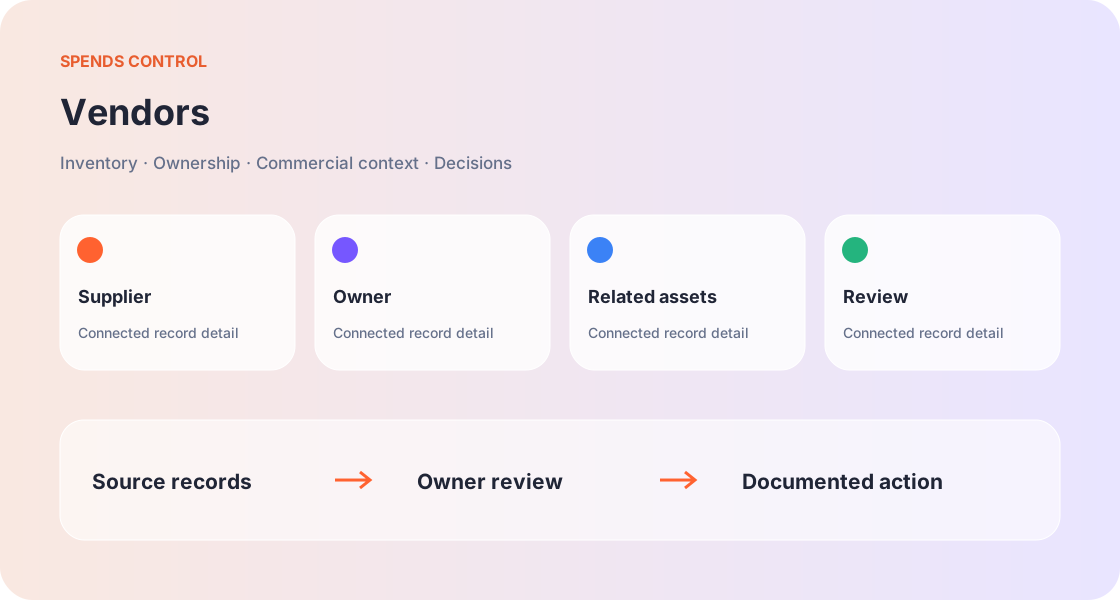
One supplier, several services
A vendor can supply multiple applications or infrastructure products. Link the records so the team can inspect the relationship without assuming every charge has the same purpose. Avoid creating duplicate suppliers merely because different departments use them.
Commercial and operating owners
The person administering an account may differ from the person approving the agreement. Make both responsibilities understandable through the related records and notes. A useful supplier handover explains who can answer the next operational or commercial question.
Agreements and renewal context
Keep contracts and renewal decisions connected to the vendor. A supplier name alone cannot explain a notice deadline, service dependency or annual commitment. Review the actual agreement before changing a relationship that supports several teams.
Controlled contact and account information
Use supplier contact details for the intended business purpose and grant access according to role. Do not place passwords in general contact notes. Sensitive account information requires the same care as the operational assets it helps administer.
Supplier review and continuity
Review missing owners, unclear services and upcoming commitments as the business changes. A vendor relationship can remain important even when one linked application is retired. Confirm which teams still depend on the supplier before marking the whole relationship inactive.
Begin with the operating question
The purpose of vendors is to help you make supplier ownership, commercial relationships and operational dependencies visible. Start by describing the decision you need to make rather than entering records without a review purpose. A useful example is a review of supplier, owner, related assets, review for an asset with a named owner. That scenario gives the team a concrete reason to collect accurate information.
Collect the information that changes the decision
Focus on Supplier, Owner, Related assets, Review. These details give a reviewer enough context to verify the record and ask a specific next question. Unknown values should remain visible as information gaps. Guessing a number, date or relationship can make a subsequent cost or ownership review look more certain than it is.
Make the responsible roles explicit
For vendors, the person supplying information may be different from the person approving a change. The operating scenario involving a review of supplier, owner, related assets, review for an asset with a named owner shows why those roles matter. Name the operating owner, identify the decision authority and grant access according to the actual work instead of assuming every teammate needs full workspace access.
Connect the source records
Use related inventory, supplier, transaction and lifecycle information when it supports the aim to make supplier ownership, commercial relationships and operational dependencies visible. A relationship should describe what the team has verified. Similar names, old notes or a blank field are not proof that services are connected or unnecessary. Keep the current record close to its commercial context.
Separate estimates from outcomes
A review of Supplier, Owner, Related assets, Review can include estimates, expectations and actual recorded outcomes. Keep those stages distinguishable. For example, a review of supplier, owner, related assets, review for an asset with a named owner still needs verification before a proposal becomes an authorised change. A target cost reduction, future commitment or intended handover should not be reported as something that has already happened.
Vendors questions
Which details make a vendor record useful?
A vendor can supply multiple applications or infrastructure products. Link the records so the team can inspect the relationship without assuming every charge has the same purpose. Avoid creating duplicate suppliers merely because different departments use them. Confirm the supplier identity before adding a new record.
Who should own a software supplier relationship?
The person administering an account may differ from the person approving the agreement. Make both responsibilities understandable through the related records and notes. A useful supplier handover explains who can answer the next operational or commercial question. Identify the right person for the next decision.
How do vendor records connect to contracts and subscriptions?
Keep contracts and renewal decisions connected to the vendor. A supplier name alone cannot explain a notice deadline, service dependency or annual commitment. Review the actual agreement before changing a relationship that supports several teams. Inspect the linked contracts before negotiating.
How should supplier contacts and account access be protected?
Use supplier contact details for the intended business purpose and grant access according to role. Do not place passwords in general contact notes. Sensitive account information requires the same care as the operational assets it helps administer. Check who can access supplier account details.
How do I review a vendor with several linked services?
Review missing owners, unclear services and upcoming commitments as the business changes. A vendor relationship can remain important even when one linked application is retired. Confirm which teams still depend on the supplier before marking the whole relationship inactive. Record the affected services and agreed next step.
Bring your digital assets into focus.
Start with seven days to organise the services, costs and responsibilities your team depends on.
No card required. Your trial expiry stays visible in your profile.