
Compare recorded costs and commitments with an explicit budget period and warning boundary.
Keep the source record, responsible people and next operating decision connected in your own workspace.
7 days free · No card required · Your own workspace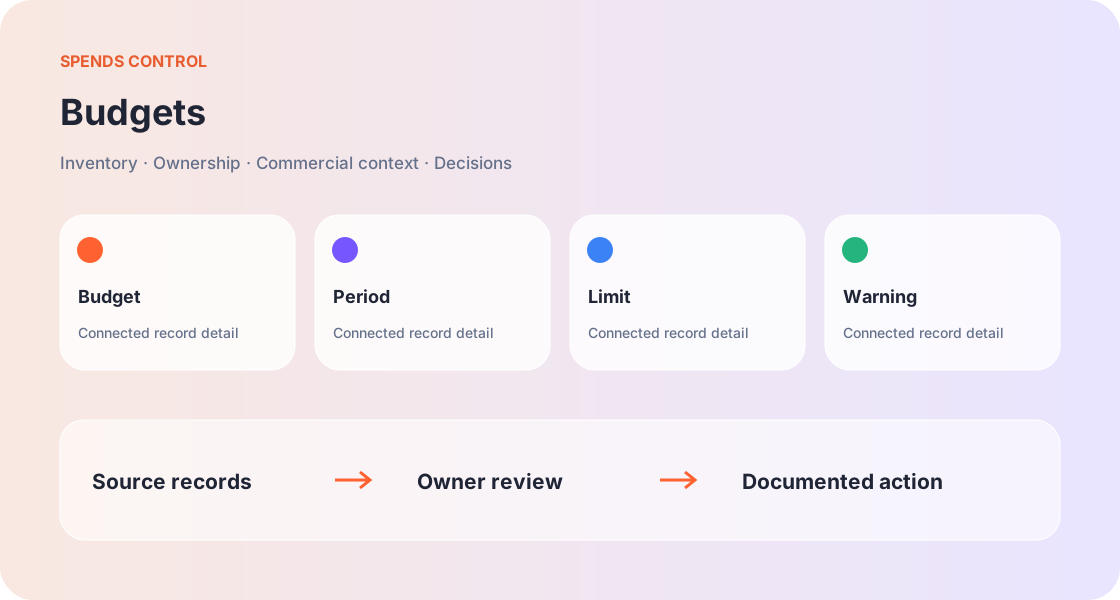
Choose the budget period
A monthly limit and an annual limit are different controls. Record the period, start date, currency and responsible administrator. Confirm which expenses and commitments belong in the budget before using the comparison to approve or reject a purchase.
Warnings before the limit
The warning percentage identifies when a budget deserves attention. An 85 percent threshold is a prompt to review the remaining capacity and upcoming commitments. It does not mean the limit has already been exceeded or that a payment should be blocked.
Actual spend and commitments
Recorded transactions describe entered costs, while purchase commitments describe planned obligations. Keep the distinction visible during a review. Adding them without understanding overlap can count one commercial decision twice and make the remaining budget look smaller than it is.
Currencies and comparable values
A budget needs a clear currency and consistent comparison basis. Retain original transaction values and verify conversion assumptions when comparing costs across currencies. An approximate reporting value should not be mistaken for a supplier invoice or accounting exchange rate.
A budget adjustment with context
When a limit changes, record why and who authorised it. Growth, a negotiated price or a new service can justify an adjustment, but the underlying inventory should remain understandable. A larger limit should not hide an unresolved ownership or data issue.
Begin with the operating question
The purpose of budgets is to help you compare recorded costs and commitments with an explicit budget period and warning boundary. Start by describing the decision you need to make rather than entering records without a review purpose. A useful example is a review of budget, period, limit, warning for an asset with a named owner. That scenario gives the team a concrete reason to collect accurate information.
Collect the information that changes the decision
Focus on Budget, Period, Limit, Warning. These details give a reviewer enough context to verify the record and ask a specific next question. Unknown values should remain visible as information gaps. Guessing a number, date or relationship can make a subsequent cost or ownership review look more certain than it is.
Make the responsible roles explicit
For budgets, the person supplying information may be different from the person approving a change. The operating scenario involving a review of budget, period, limit, warning for an asset with a named owner shows why those roles matter. Name the operating owner, identify the decision authority and grant access according to the actual work instead of assuming every teammate needs full workspace access.
Connect the source records
Use related inventory, supplier, transaction and lifecycle information when it supports the aim to compare recorded costs and commitments with an explicit budget period and warning boundary. A relationship should describe what the team has verified. Similar names, old notes or a blank field are not proof that services are connected or unnecessary. Keep the current record close to its commercial context.
Budgets questions
How do I plan a software and digital services budget?
A monthly limit and an annual limit are different controls. Record the period, start date, currency and responsible administrator. Confirm which expenses and commitments belong in the budget before using the comparison to approve or reject a purchase. Define the period before entering the amount.
How do budget warning thresholds support an early review?
The warning percentage identifies when a budget deserves attention. An 85 percent threshold is a prompt to review the remaining capacity and upcoming commitments. It does not mean the limit has already been exceeded or that a payment should be blocked. Inspect the included spend when the warning appears.
How should actual expenses be separated from commitments?
Recorded transactions describe entered costs, while purchase commitments describe planned obligations. Keep the distinction visible during a review. Adding them without understanding overlap can count one commercial decision twice and make the remaining budget look smaller than it is. Verify what contributes to the calculation.
How should currencies be handled in a budget comparison?
A budget needs a clear currency and consistent comparison basis. Retain original transaction values and verify conversion assumptions when comparing costs across currencies. An approximate reporting value should not be mistaken for a supplier invoice or accounting exchange rate. Confirm the currency before accepting the comparison.
What should I check when recorded costs differ from a budget?
When a limit changes, record why and who authorised it. Growth, a negotiated price or a new service can justify an adjustment, but the underlying inventory should remain understandable. A larger limit should not hide an unresolved ownership or data issue. Keep a note explaining the approved change.
Bring your digital assets into focus.
Start with seven days to organise the services, costs and responsibilities your team depends on.
No card required. Your trial expiry stays visible in your profile.